

In addition, the wholesaler must perform
the activities necessary fo r the operation of
any other
such as planning, financing, and developing a
The five
functions listed previously emphasize the nature of wholesaling as a link between the pro-
ducer and the organizational buyer.
By providing this linkage,
assist both the producer and the buyer. From
the buyer's perspective, the wholesaler typically brings together a wide assortment of prod-
ucts and lessens the need to deal directly with a large number
producers.
makes the
buying task much more convenient. A hardware store with thousands of items from
dreds of different producers may find it more efficient to deal with a
number of
wholesalers. The wholesaler may also have an inventory in the local market,
ing delivery and improving
The wholesaler assists the producer by
prod-
ucts more accessible to buyers. They provide the producer with wide market coverage
information about local market trends in an efficient manner.
may also help
with the promotion of a producer's products to a local or
market
advertising
or a sales force to call on
buyers.
Types of Wholesalers
There are many different types of wholesalers. Some
others are part of a
vertical marketing system. Some provide a full range of
others offer very specialized
services.
and needs on the part of both buyers and producers have led to a
wide
of
wholesalers. Table 10. 1 provides a summary of general types. Whole-
saling activities
eliminated, but they can be assumed by manJfacturers and retail-
ers.
merchant wholesalers who have remained viable have done so by providing
improved service to suppliers and buyers. To do this at low cost, modem technologies must
be increasingly
into the wholesale operation.
Physical Distribution
In a society such as ours, the task of
moving , handling and storing products has
become the responsibility of marketing. In fact, to an individual firm
in a high-
levei economy, these logistical activities are critical. They often represent the only cost-
saving area open to the firm . Likewise, in markets where product distinctiveness has been
the ability to excel in physical distri bution activities may provide a true
competitive advantage. Ultimately, physical distribution activities provide the bridge between the production activities and the markets that are spatially and temporally
Physical distribution management may be defined as the process of strategically
aging the movement and storage of materials, parts, and finished inventory from suppliers ,
between enterprise facilities, and to customers. Physical distri bution activities include those undertaken to move finished products from the end of the production line to the final consumer. They also include the movement of raw materials from a source of supply to the
beginni ng of the production line, and the
of parts, etc., to maintain the existing
product. Finally, it may include a network for
the product back to the producer or
reseller, as in the case of recalls or repair.
Before discussing physical distribution, it is important to recognize that physical dis-
tribution and the channel of distribution are not independent decision areas.
must be
considered together in order to achieve the organization's goal of satisfied customers. Sev-
eral relationships exist between physical distribution and channels, including the following:
1. Defining the physical distribution standards that
members want.
2.
sure the proposed
distribution program designed by an organi-
zation meets the standards of channel members.

























CHANNEL INSTITUTIONS: CAPABILITIES AND LIMITATIONS
265
3. Selling channel members on physical distribution programs.
4. Monitoring the results of the physical distribution program once it has been
implemented.
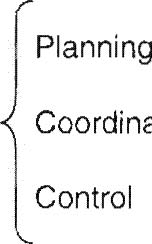
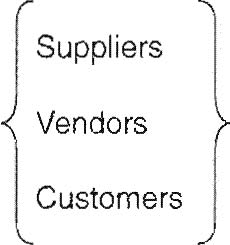
Figure 10.5 illustrates the components of physical distribution management.
The first name
in professional
•
services.
1913 by
have
strongly in the
of one finn.
Around
world.
Now, our
known,by
A NDE RSEN
www.andersen.com
AD 10.1
Andersen appeals to both institutions and individuals .






266
Describe what you're looking for in as much detail as you'd like.
Our AI reads your request and finds the best matching books for you.
Popular searches:
Join 2 million readers and get unlimited free ebooks