

Some manufacturers or wholesalers also give prize money called spijfs for retailers to
on to the retailer's sales clerks for aggressively selling ce11ain items. This is especially common in the electronics and clothing industries, where it is used primarily with new prod-
ucts, slow movers, or high margin items .
Trade-in allowances alSO reduce the
price of a product or service. These
often
to allow the seller to negotiate the
price with a buyer. The trade-in may, of course,
be of value if it can be resold. Accepting trade-ins is necessary in marketing many types
of products. A construction company with a used grader worth $70,000 would not likely
buy a new model from an equipment company that did not accept trade-ins, particularly
when other companies do accept them .
PRICE BUNDLING
A very popular pricing strategy, price bundling, is to group similar or complementary products and to charge a total price that is lower if they were sold separately. Dell Computers
and Gateway Computers follow this
by combining different components for a set
price. Customers assume that these computer experts are putting together an effective prod-
uct package and they are paying less. The underlying assumption of this pricing strategy
is that the increased sales generated will more than compensate for a
profit margin.
It may also be a way of selling a less popular product by combining it with popular ones .
Clearly, industries such as
services and telecommunications are big users of this.
PSYCHOLOGICAL ASPECTS OF PRICING
Price, as is the case with certain other elements in the marketing mix, appears to
mean-
ing to
buyers that goes beyond a simple utilitarian statement. Such meaning is often
referred to as the psychological aspect of pricing. Inferring quality from price is a
mon example of the psychological aspect. A buyer may assume that a suit priced at $500
is of higher quality than one priced at $300. From a cost-of-production, raw material, or
workmanship perspective, this mayor may not be the case. The seller may be able to secure
the
price by nonprice means
as offering alterations and credit or the benefit to
the buyer may be in meeting some psychological need such as ego enhancement. In some
situations, the higher price may oe paid simply due to lack of information or lack of
parative shopping skills. For some products or services, the quantity demanded may act.l-
ally rise to some extent as price is increased. This might be the case with an item such as
a fur coat.
a pricing strategy is called prestige pricing.
Products and services frequemly have customary prices in the minds of consumers.
A customary price is one that customers identify with particular items. For example, for
many
a five-stick package of chewing gum cost five cents and a six-ounce bottle
of Coca-Cola cost five cents . Candy bars now cost 60 cents or more, a customary price for
a standard-sized bar. Manufacturers tend to adjust their wholesale prices to permit retail-
in using customary pricing. However, as we have
duriDg the past decade, prices
have changed so often that customary prices are weakened.
Another manifestation of the psychological aspects of pricing is the use of odd prices. 3
We call prices that end in such digits as 5, 7, 8, and 9 "odd prices" (e.g., $2.95, $ 15.98, or $299.99). Even prices are $3, $16, or $300. For a long time marketing
have attempted
to explain why odd prices are used. It seems to make little difference whether one pays
$29.95 or $30 for an item. Perhaps one of the most often heard explanations concerns the



PSYCHOLOGICAL ASPECTS OF PRICING
241
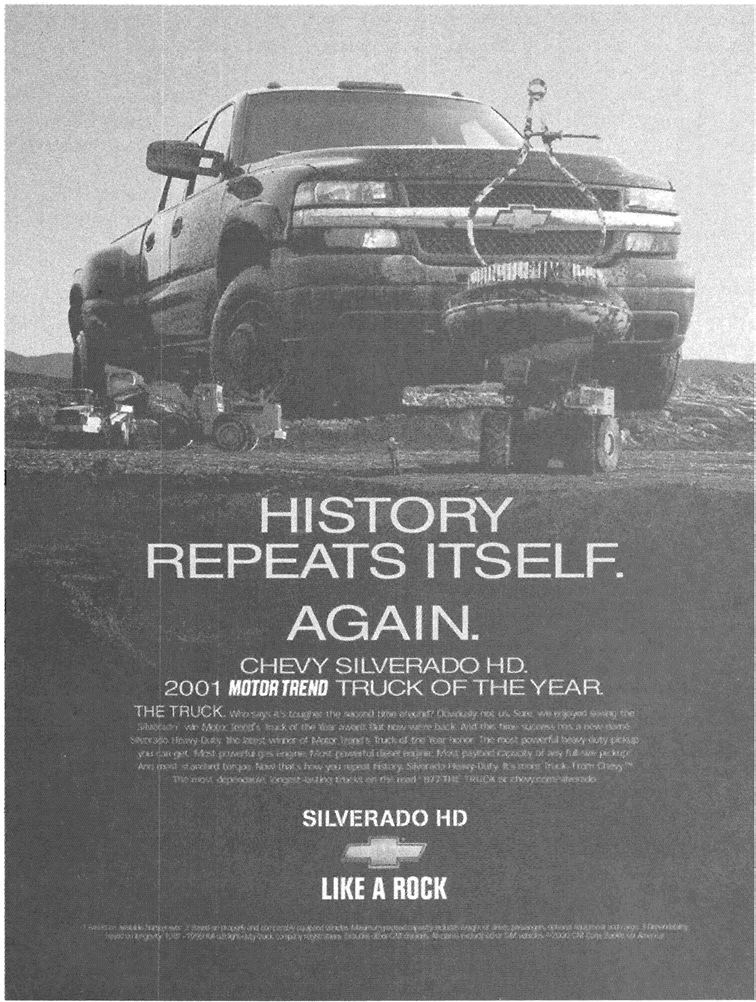
AD 9.3
Winning an award is a psychological aspe ct of p rice.
psychological impact of odd prices on customers. The explanation is that customers per-
ceive even
such as $5 or $1 0
regular prices. Odd prices, on the other hand, appear
to represent bargains or savings and therefore encourage buying. There seems to be some
movement toward even pricing; however, odd pricing is still very common. A somewhat
related pricing strategy is combination pricing. Examples are two-far-one, buy-one-get-one-free.
tend to react very
to these pricing techniques.




242
Describe what you're looking for in as much detail as you'd like.
Our AI reads your request and finds the best matching books for you.
Popular searches:
Join 2 million readers and get unlimited free ebooks